A research and teaching herbarium at San Francisco State University documenting the plants and fungi of California and beyond.
San Francisco State University is home to the Harry D. Thiers Herbarium (SFSU), housing more than 110,000 fungal and 27,000 vascular plant specimens. Our collections support teaching, training, and research into the diversity, distribution, and ecology of California’s flora and fungi, with additional strengths across the broader California Floristic Province and the western United States.
Collection highlights
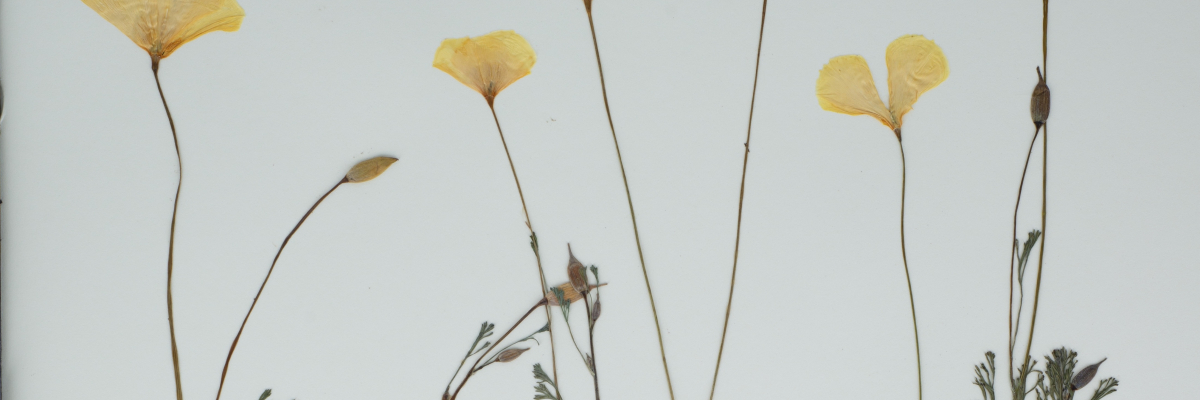
What We Collect
The Herbarium holds specimens of vascular plants, fungi, bryophytes, lichens, and red algae from California and beyond, documenting biodiversity and supporting research, teaching, and conservation.
Fungi
More than 110,000 specimens, with particular strength in fleshy fungi.
Vascular Plants
More than 27,000 specimens document plant diversity across California and beyond.
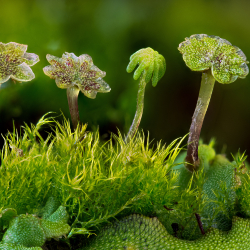
Bryophytes
Mosses, liverworts, and hornworts from California and beyond support studies of ecology, systematics, and climate change.
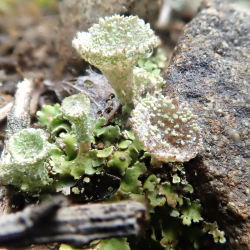
Lichens
Macrolichens and select microlichens from coastal and montane California support research and monitoring related to air quality, climate, and biodiversity.
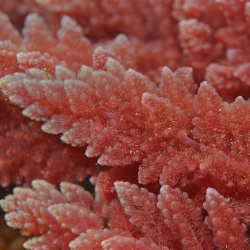
Red Algae
Historical and modern collections of marine red algae from the California coast support systematics, teaching, and biodiversity monitoring.
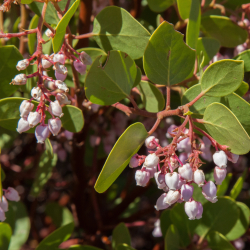
Special Collections
Explore focused collections of manzanitas (Arctostaphylos) and related taxa, along with the flora of Snow Mountain.
Collectors Who Shaped the Herbarium
Botanists and mycologists have built the Herbarium over generations through fieldwork, research, and teaching. These spotlights introduce some of the people whose work helped shape its collections.
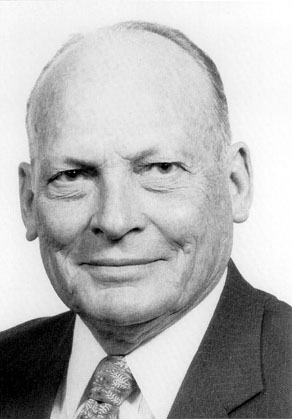
Harry D. Thiers
Harry D. Thiers founded and served as the original curator of the San Francisco State Herbarium, renamed the Harry D. Thiers Herbarium in 1989 after his retirement. A mycologist specializing in boletes, he wrote the first book on California boletes and helped establish the Herbarium’s important collection of fleshy fungi. He also trained generations of mycologists; many students and colleagues honored him in the specific epithets of mushroom species they described.
Thiers’ successor, Biology Professor Emeritus Dennis E. Desjardin, wrote: “His influence through the training of young mycologists is felt in all subdisciplines of mycology. Mycology programs in every university in North America have benefited directly from his research and teaching skills.”